

Installing playground equipment looks like assembly, but the safety of the finished playground depends on details most people never see: how deep the footings go, whether posts are plumb, how every fastener is tightened, and whether the surfacing and clearances match the equipment. A good structure installed badly can be less safe than a modest one installed well.
This article explains what goes wrong when installation is rushed or done without the right knowledge, what certification actually tells you about an installer, and what a final safety inspection should cover before children start to play.
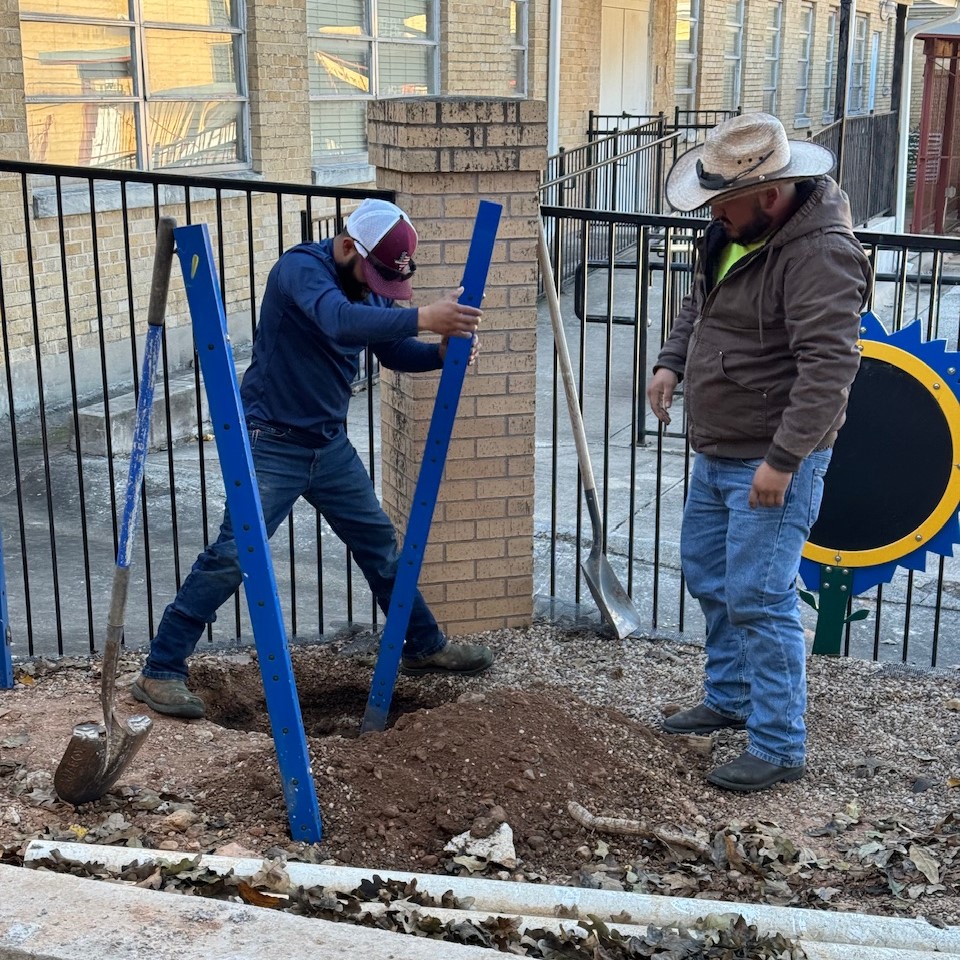
What Goes Wrong With a Poor Installation
Most installation problems are invisible on opening day. They show up later as loose equipment, worn-through surfacing or an injury. Common examples include:
- Shallow or undersized footings that let posts shift, lean or loosen under daily use.
- Posts out of plumb or decks out of level, which put stress on connections and can open gaps that were never in the design.
- Loose or incorrectly tightened hardware, and bolt ends left protruding where clothing or skin can catch.
- Entrapment openings and pinch points created when parts are misaligned or assembled in the wrong order.
- Use zones that overlap each other or run into fences, benches, trees or paths.
- Surfacing that is too thin, the wrong type or missing in the areas where children are most likely to fall.
- Accessibility mistakes, such as an accessible route that ends at a step or a surface a wheelchair cannot cross.
Each of these is a safety risk, and each is also a liability exposure for the school, church, HOA, apartment community or business that owns the playground. Fixing them after opening can mean closing the play area, and sometimes taking part of the structure apart.
What Skilled Installers Do Differently
Experienced installers follow the manufacturer’s instructions and the approved design exactly, and they understand why each step matters. In practice that means:
- Checking the site before work starts, including utilities, drainage, grading and clearances.
- Setting footings to the specified depth and letting concrete cure before the structure is loaded.
- Checking plumb, level and square as the structure goes up, not only at the end.
- Tightening hardware to specification and dealing with anything that protrudes.
- Installing playground safety surfacing at the depth or thickness required for the equipment’s fall height, across the full use zone.
- Leaving the site clean, with packaging, spare hardware and debris removed.
None of this is visible in a photo of the finished playground, which is exactly why it is worth asking how an installer works before you hire them. A-OK Playgrounds offers professional playground installation by certified crews, covering site assessment, safety surfacing, equipment assembly and a final safety inspection.
What Certification Means
Certification gives you outside evidence that an installer or inspector has been trained on the rules that govern playgrounds, rather than relying on their word. For public and commercial playgrounds in the US, the key references are:
- ASTM F1487, the safety performance specification for playground equipment for public use, published by ASTM International.
- The CPSC Public Playground Safety Handbook, guidance from the US Consumer Product Safety Commission on hazards, use zones and surfacing.
- The ADA, whose 2010 Standards for Accessible Design include requirements for play areas, such as accessible routes and the number and type of play components that must sit on an accessible route.
A Certified Playground Safety Inspector, or CPSI, has been trained and tested on how to assess playgrounds against these references. Our CPSI-certified inspections check playgrounds against ASTM F1487, CPSC guidelines and the ADA. Whoever you hire, ask what their certification covers, whether it is current, and whether the person holding it will actually be on your site.
What a Final Safety Inspection Covers
The final inspection is the last check before the playground opens, and it should be thorough enough to catch anything the build missed. A complete inspection looks at:
- Structure: posts, footings, decks, rails and barriers secure and undamaged.
- Hardware: every fastener present and tight, with no sharp edges, protrusions or open hooks.
- Entrapment and pinch points: openings, gaps and moving parts checked against the standard.
- Use zones: the required clearance around each piece free of obstacles and overlaps.
- Surfacing: the right material at the right depth or thickness throughout the use zones.
- Slides, swings and moving equipment: exits, clearances and moving parts working as designed.
- Accessibility: accessible routes, transfer points and surfaces where the design calls for them.
- Signage: age guidance in place so caregivers know which areas suit which ages.
The findings should be written down, not just discussed on site. Our playground safety inspection services provide a written report and a repair plan, which also gives you a record to keep with your maintenance files.
Questions to Ask Before You Hire an Installer
- Who will be on site, and what training or certification do they hold?
- Does the installation include site assessment, surfacing and a final safety inspection?
- Will you follow the manufacturer’s installation instructions, and does the equipment warranty set any installation requirements?
- Who is responsible for utility locates and any permits?
- What happens if the final inspection finds a problem?
- What insurance do you carry for this kind of work?
Work With Certified Installers From A-OK Playgrounds
Our certified crews handle site assessment, safety surfacing, assembly and the final safety inspection, and installation is available in many areas of the country. Call 512-826-8800, email [email protected] or request a quote for your project. Digital catalogs are available on request.