

Engineered wood fiber, or EWF, is a common surface under school, park and community playgrounds. It looks a lot like mulch, but it is not the same thing. EWF is wood that has been processed and screened to a consistent size and tested for use under playground equipment.
This post explains what sets EWF apart from ordinary wood chips, where it shines, what it asks of you in maintenance and how to install it so it stays safe and accessible.
What Engineered Wood Fiber Is
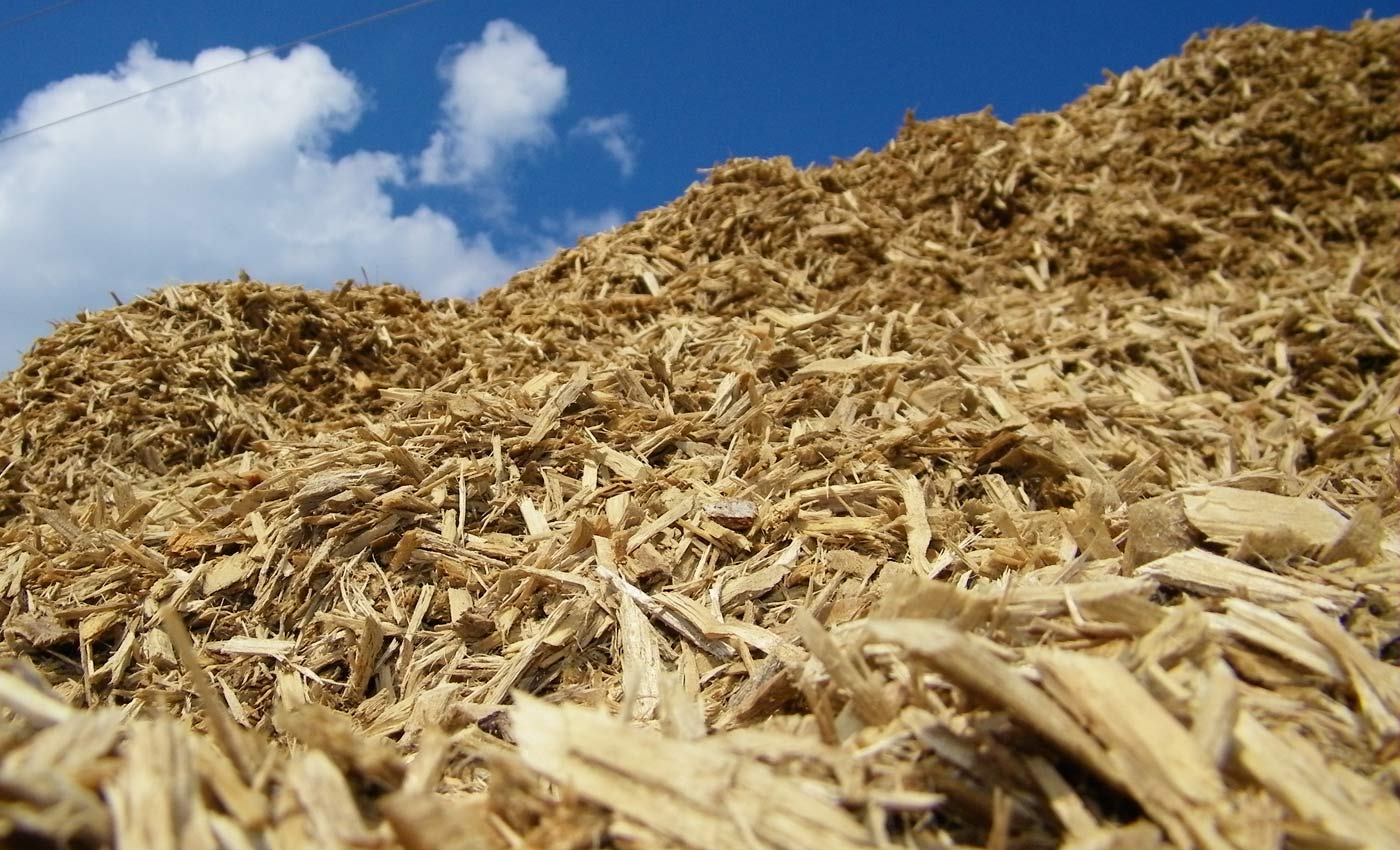
EWF is made from wood that is ground into fibers and screened so the pieces fall within a set size range, free of bark, leaves and twigs. When the material is compacted, the fibers knit together into a surface that is springy underfoot yet firm enough to walk on.
Two ASTM standards matter when you buy it:
- ASTM F2075 is the specification for engineered wood fiber used as a playground safety surface. It covers particle size and limits on contaminants.
- ASTM F1292 covers impact attenuation, meaning how well the surface cushions a fall from a given height.
Ask your supplier for documentation showing the product meets both. Landscape mulch and ordinary wood chips are not made or tested to these standards, even when they look similar. Both standards are published by ASTM International.
The Benefits of EWF
- Fall protection at a modest installed cost. As a loose-fill surface, EWF generally costs less to install than unitary surfaces such as poured rubber or padded turf, while still cushioning falls when kept at the proper depth.
- Accessible when installed and maintained well. Unlike sand or pea gravel, compacted EWF can form a surface firm enough for wheelchairs and mobility aids. Products and installations can be tested to ASTM F1951, the accessibility standard for playground surfaces.
- A natural look. The wood texture blends with parks, nature play areas, campuses and wooded sites.
- Cooler in the sun. Wood generally stays more comfortable to the touch than rubber surfaces on a hot, sunny day.
- Easy to adjust. Loose fill can be raked, topped up and reshaped when equipment is added or moved, with no cutting or patching.
- A renewable material. It is wood, and it breaks down naturally over time.
Trade-Offs to Know Before You Choose
- It moves. Children kick fibers out from under swings and slide exits, leaving thin spots exactly where falls are most likely.
- It compresses and breaks down. Over time the fibers pack down and decompose, so the depth drops and the surface has to be topped up.
- Accessibility depends on upkeep. A firm, level surface can turn soft and uneven after heavy use or rain until it is raked and compacted again.
- It needs drainage. Wood that sits in water breaks down faster and stays soggy, so good drainage below the surface is essential.
- It travels. Fibers get carried onto paths and into buildings, which matters for daycares and schools with doors close to the play area.
Installing EWF the Right Way
- Excavate and contain. The play area is dug out and bordered with a containment edge so the fiber stays where it belongs. Loose fill should not be placed directly on concrete or asphalt.
- Build in drainage. A drainage layer or drain system, with a geotextile fabric above it, separates the fiber from the soil below and lets water escape.
- Fill to the right depth. Required depth is set by how high the equipment is and by the product’s tested performance. Because loose fill compresses, installers place extra material at the start. The Public Playground Safety Handbook from the US Consumer Product Safety Commission explains how surfacing depth relates to fall height.
- Compact. Compaction knits the fibers together and creates the firm surface needed for accessible routes.
- Add wear mats. Mats placed under swings and at slide exits, then covered with fiber, slow displacement in the busiest spots.
- Mark the depth. Depth markers on equipment posts show staff at a glance when the surface has dropped too low.
A-OK Playgrounds’ professional installation covers site assessment, safety surfacing, equipment assembly and a final safety inspection.
Keeping EWF Safe Between Inspections
- Rake displaced fiber back under swings, slides and climbers, daily on busy playgrounds.
- Check the depth markers and top up when the surface falls below the required depth.
- Remove litter, foreign objects and anything sharp.
- Re-level and compact the surface after heavy rain or heavy use, especially along accessible routes.
- Make sure wear mats are still covered.
- Replace fiber that has broken down into fine, soil-like material, since it no longer cushions the way fresh fiber does.
Even well-kept loose fill benefits from a periodic professional check. A-OK Playgrounds provides playground safety inspections by CPSI-certified inspectors, with a written report and repair plan.
Where EWF Is a Good Fit
EWF suits parks, schools, churches and HOA playgrounds where budget matters, where staff or volunteers can handle routine raking, and where a natural look fits the setting. It is especially practical for large play areas, where the cost difference between loose fill and unitary surfacing grows with every square foot. It is less suited to indoor spaces, to small play areas right outside a building entrance, or to sites where nobody will be responsible for upkeep.
Frequently Asked Questions
How often does EWF need topping up?
It depends on how heavily the playground is used, the weather and how much fiber gets kicked out of place. Check the depth markers regularly and top up whenever the surface falls below the marked level, rather than waiting for a fixed date.
Is engineered wood fiber wheelchair accessible?
It can be. Properly compacted EWF over good drainage can meet ASTM F1951, but only while it stays firm and level. Some sites add a unitary surface along the main accessible route to reduce the upkeep that requirement brings.
Choose the Right Surface with A-OK Playgrounds
Engineered wood fiber is part of the playground safety surfacing range at A-OK Playgrounds, and we can help you weigh it against other options for your site. Call 512-826-8800, email [email protected] or request a quote. Digital catalogs are available on request.