

Virtual reality has moved from a niche gadget to something a great many people have tried, or want to try. For family entertainment centers, arcades and other venues, that shift matters. Guests now arrive curious about VR, and an attraction that delivers more than they can get at home gives them a reason to visit.
This post explains why VR gaming has grown in popularity, what is behind the growth and what it means for venues, including where the enthusiasm needs a reality check. If you are already planning an attraction, the A-OK Playgrounds blog also has a separate guide to choosing and running one.
Better Headsets Removed Old Barriers
Early VR asked a lot of players. Headsets were heavy, they were tethered to a powerful computer by a cable, and the picture could lag behind head movement, which left some people feeling queasy. Each generation of hardware has worn those problems down. Displays are sharper, tracking is faster and more accurate, and many headsets now work wirelessly or without a separate computer at all.
For players, that means VR feels more natural and stays comfortable for longer. For venues, it means equipment that is quicker to set up, easier to clean between guests and less cluttered with cables.
Experiences Guests Cannot Get at Home
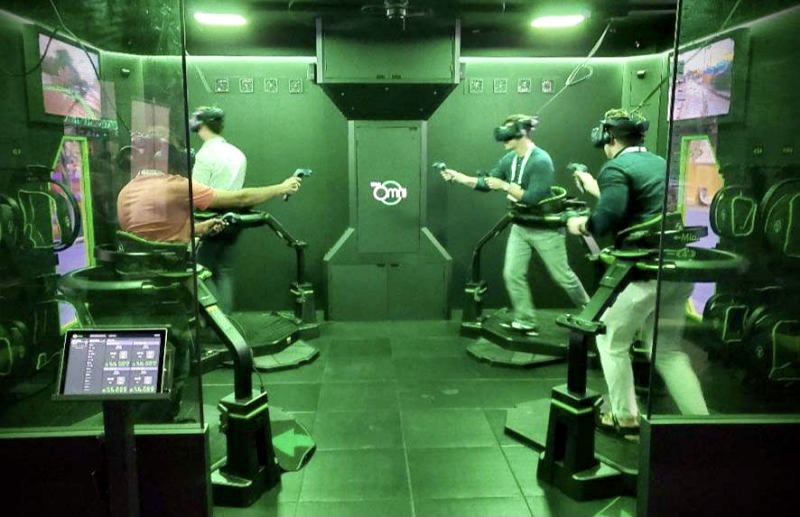
Home headsets have introduced many people to VR, and that has raised interest in experiences that go well beyond a living room. Commercial attractions can offer:
- Larger tracked areas where players walk, crouch and move freely.
- Multiplayer arenas where friends and families share the same virtual world side by side.
- Motion seats and platforms that tilt, rumble or move in time with the action.
- Platforms that let players walk or run in place while they cover ground in the game.
- Commercial-grade hardware and content that most households would never buy.
That gap between home and venue is a big part of the draw. Someone who already enjoys VR at home may be the guest most eager to try a bigger version.
VR Has Become a Social Outing
Gaming at home is often a solo activity. VR at a venue is usually a shared event. Friends book sessions together, families play against each other, and birthday parties and team outings use VR as the main activity. Spectator screens let people waiting in line, or parents who prefer to watch, see what the players see, so one group’s session entertains everyone nearby.
That social side goes a long way to explaining the growth. People remember a good outing, talk about it and come back with friends.
Fresh Content Keeps It New
Unlike a physical ride, a VR attraction can get new experiences through software. Genres now range from action and adventure to puzzles, sports, exploration and gentle experiences for first-timers. When the content changes, returning guests find something new without the venue rebuilding anything.
VR has also spread into education, training and healthcare, from virtual field trips to skills practice and therapy. That wider use has made the technology familiar to parents, teachers and older adults who may never have picked up a game controller.
Why Venues Are Adding VR
For operators, the popularity of VR lines up with several practical goals:
- Reaching older guests. Teens and adults who have outgrown play structures still want something to do, and VR is often the attraction that brings them in.
- Using floor space well. Many VR attractions need less floor area than a large ride or play structure.
- Selling parties and groups. Timed sessions package neatly into parties, field trips and corporate events.
- Giving people something to talk about. A new attraction gives a venue fresh news for its website and social media.
That is why you will find VR next to soft play, arcade games and indoor playground equipment in family entertainment centers, bowling centers, trampoline parks and resorts.
Popularity Is Not a Business Plan
A popular trend is a good sign, but it does not guarantee that VR will succeed in every venue. Weigh these honest points before you follow it:
- Not every guest can play. Headset makers set minimum ages and publish health warnings, so the youngest children and some adults will sit out.
- VR needs people. Most attractions need an attendant to fit headsets, brief players and keep sessions moving.
- Novelty fades without new content. Know how, and how often, the experience will be updated.
- Busy days test capacity. If only a few people can play at once, lines build quickly at peak times.
None of these is a reason to skip VR. They are reasons to match the attraction to your guests, your space and your staff before you buy.
Frequently Asked Questions
Does home VR compete with a VR attraction?
Mostly it builds interest. People who have tried a headset at home know what VR can do, and a venue can offer larger spaces, multiplayer arenas and motion effects that a home setup cannot match. The key is offering something clearly beyond what guests already own.
Is VR popular with families or mainly with teens?
Both, with limits. Teens and adults are often the keenest players, while families enjoy multiplayer games they can play together. Younger children may be under the headset’s minimum age, so venues usually pair VR with attractions built for them.
Plan Your VR Attraction with A-OK Playgrounds
A-OK Playgrounds supplies virtual reality attractions and interactive play systems for family entertainment centers and other venues, and can help you plan them as part of a wider play space. Call 512-826-8800, email [email protected] or request a quote. Digital catalogs are available on request.