

A playhouse earns its space in a business when it solves a real problem. A preschool classroom needs a dramatic play center. A church nursery needs something to keep little ones content during a service. A family restaurant wants parents to stay for dessert instead of rushing out. Each of these places uses a playhouse a little differently, and each needs it placed with care.
This guide walks through how daycares, churches, restaurants and residential communities put playhouses and playroom designs to work, then covers where to put one and the day-to-day details owners tend to overlook.
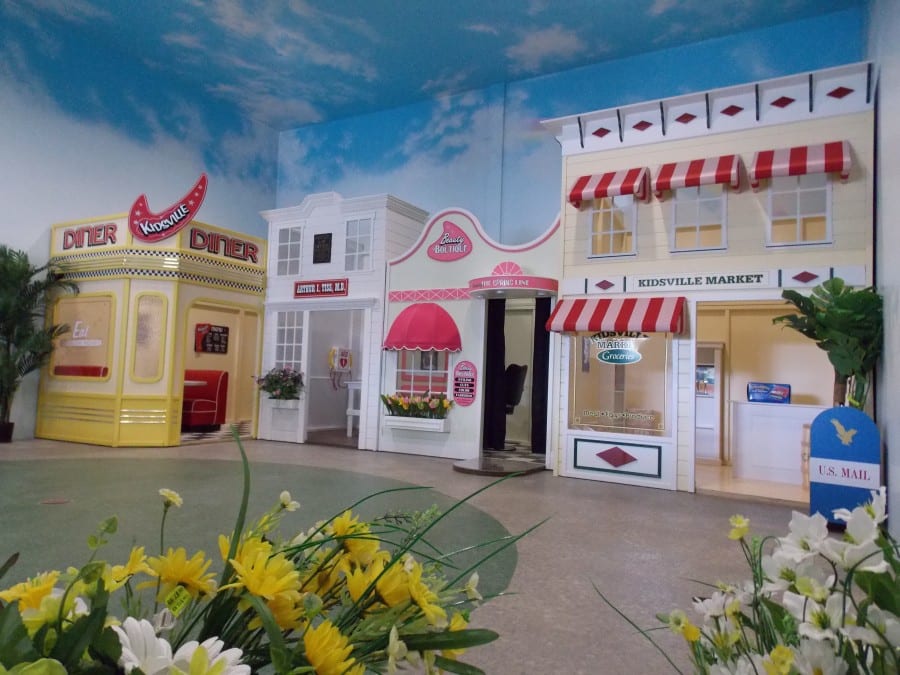
Daycares and Preschools
In early childhood programs a playhouse is usually a teaching tool first. Indoors, it often anchors the dramatic play center, where teachers set up a theme that ties into the week’s lessons. Outdoors, a playhouse gives a toddler or preschool yard a calmer option next to climbers and slides, which spreads children across the play area instead of crowding them onto one structure.
Practical points for childcare settings:
- Choose a size that suits the age group in that room or yard, with doorways and windows at their height
- Keep sight lines open so staff can see inside from where they normally stand
- Pick finishes that hold up to frequent cleaning and sanitizing
- Leave room around the unit so children can move in and out without a bottleneck at the door
Churches and Faith Communities
Churches tend to use playhouses in three places. In the nursery or children’s wing, a playhouse gives volunteers an easy, self-directed activity while parents attend a service. On the grounds, an outdoor playhouse near the fellowship hall gives families a reason to linger after services and during picnics, festivals and summer programs. In a lobby or family area, a small playhouse keeps restless children occupied while adults talk.
Because church programs often rely on rotating volunteers, simple works best. A playhouse with few loose parts and a layout that is easy to watch lets any volunteer step in on any given Sunday without special instructions.
Restaurants, Retail and Waiting Rooms
For a family restaurant, a play area is really about the meal. Children who can play between courses make it easier for parents to relax and stay. Pediatric and dental offices, salons, car dealerships, service centers and other businesses with waits use a small playhouse the same way: a calm corner that keeps children busy and close to their parents.
In these settings, parents usually supervise their own children, not staff. That shapes the choice:
- Place the playhouse where parents can see it from their seats
- Keep it compact and favor quiet, imaginative play over equipment that invites running and climbing
- Post simple rules at the entrance, such as the intended age range and a reminder that an adult must supervise
- Keep it out of the path of servers, carts and kitchen traffic
Apartments, HOAs and Event Spaces
Property managers and HOA boards add playhouses to amenity areas and pocket parks to give the youngest residents something sized for them, especially next to equipment built for older children. Family entertainment centers and event venues use themed playhouses as a gentler zone for small children, set apart from high-energy attractions. In every case, the playhouse works best as one planned part of a larger play space rather than an afterthought. You can see the full range of settings on our who we serve page.
Where to Put the Playhouse
Placement decides whether a playhouse gets used safely or turns into a problem spot. Before you settle on a location, walk the space and check each of these:
- Sight lines. The adult responsible should see the doorway and windows from where they usually sit or stand.
- Traffic and exits. Keep it clear of service paths, doors, parking areas and streets.
- Clearance. Leave open space around the unit so doors and shutters swing freely and children are not running into walls or furniture.
- Ceiling and footprint. Indoors, measure before you choose. A model that fits the floor may not fit under a soffit, low ductwork or a hanging light fixture.
- The ground underneath. Outdoors, plan the ground cover together with the unit, and add playground safety surfacing where a design includes steps, porches or climbing parts.
- Sun and weather. An outdoor playhouse is more pleasant, and wears better, with some shade from trees or a structure.
- Accessibility. Provide an accessible route so children and parents who use mobility devices can reach the play area. The ADA sets the requirements for public play areas.
Details Owners Tend to Overlook
- A cleaning routine. Decide who wipes down the playhouse and how often, and keep props to a set you can actually clean.
- Built for the traffic. A unit made for occasional backyard use may not stand up to many children every day. Ask whether a design is intended for commercial use.
- Anchoring. Outdoor playhouses should be secured against wind, and some indoor units need fastening to the floor or wall.
- Insurance and licensing. Check with your insurer, and for childcare programs your licensing agency, before adding play equipment.
- Routine checks. Look for loose hardware, splinters, pinch points and worn finishes, and fix them before they become injuries.
Frequently Asked Questions
Who should supervise a playhouse at a business?
Decide this before the playhouse opens. In daycares and church nurseries, staff or volunteers supervise as part of their normal duties. In restaurants and waiting areas the usual approach is that parents supervise their own children, stated clearly on a posted sign.
Can we start with one playhouse and add more later?
Yes. Many play spaces grow in stages. If you expect to expand, plan the full layout first so the first piece lands in the right spot; 3D design and site planning make it easier to see how later additions will fit.
Talk to A-OK Playgrounds About Your Space
Whether you run a daycare, a church, a restaurant or a residential community, A-OK Playgrounds can help you choose a playhouse and plan where it goes. Call 512-826-8800, email [email protected] or request a quote to get started. Digital catalogs are available on request.