

Families decide a lot about a place in the first few seconds: whether it feels welcoming, whether their children will be comfortable and whether they want to come back. A well-chosen playhouse answers those questions before anyone says a word. It is one of the few pieces of play equipment that doubles as a small building, so it shapes how your property looks as much as how children use it.
This post covers how a playhouse improves the impression a business or community space makes, how to match its style to your setting, and how to choose between a ready-made playhouse, a build-it-yourself kit and a custom design.
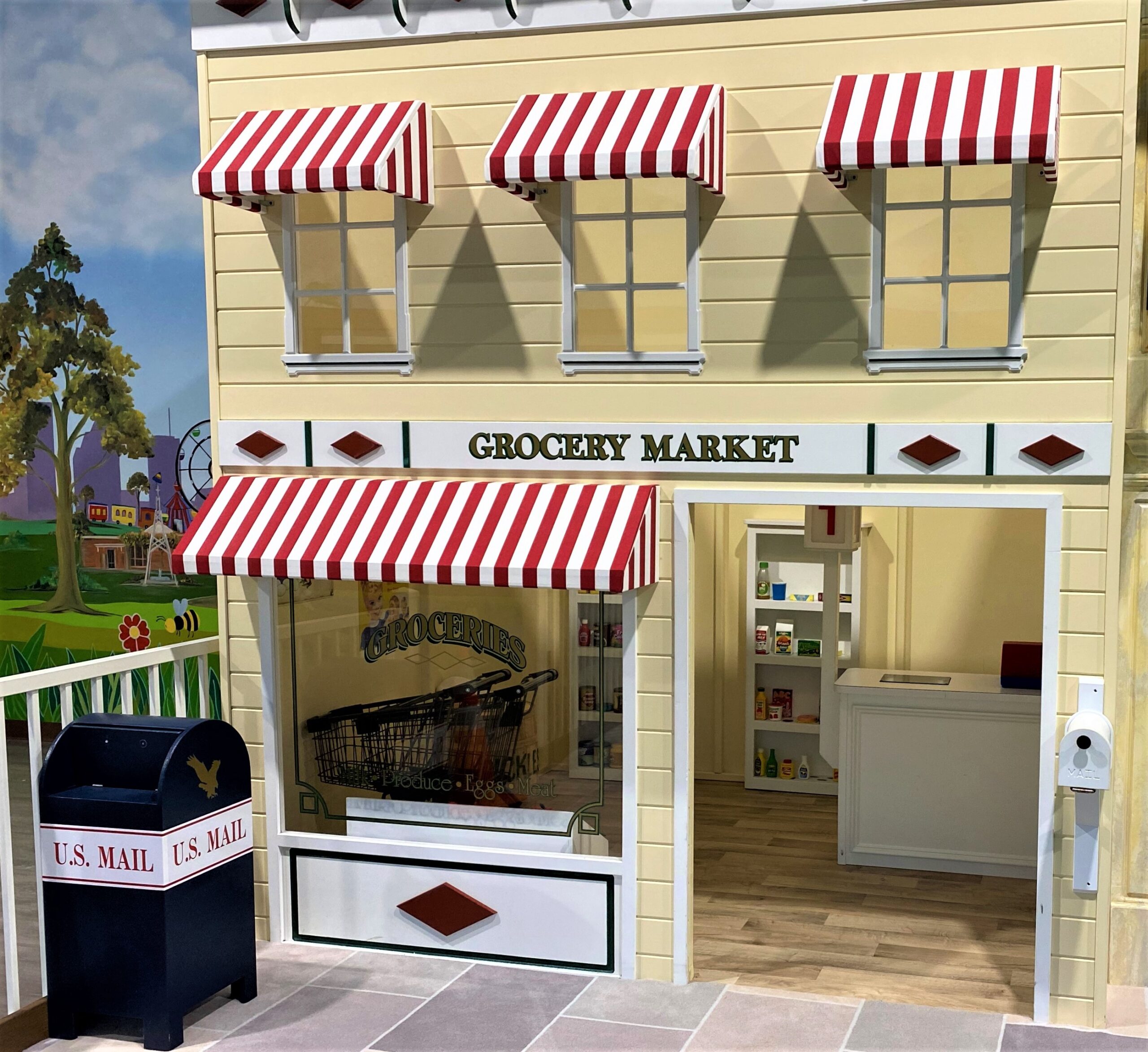
Why a Playhouse Makes a Strong First Impression
Most play equipment reads as a playground. A playhouse reads as a place. Its doors, windows, porch and roofline echo the buildings around it, so it feels like part of the property rather than something set down on a corner of the lot. That helps in a few specific ways:
- It is visible from a distance. A playhouse that can be seen from the entrance or a front window tells families what kind of place this is before they walk in.
- It signals that children are welcome. Parents notice when a business, church or community has thought about their children, and that sets the tone for the whole visit.
- It gives people something to photograph. A charming playhouse is the kind of spot families take pictures of and share, which puts your property in front of people who have not visited yet.
- It works in your own materials. Leasing teams, HOA boards, schools and churches can feature it in listings, tours, newsletters and social posts.
Where a Playhouse Adds the Most Appeal
A playhouse tucked behind a building does little for curb appeal. The best spots are ones people pass on the way in: near the main entrance of a church or its fellowship hall, as the focal point of an apartment amenity area or HOA pocket park, beside outdoor seating at a garden center or family restaurant, or at the front of a school or daycare play yard where parents see it at drop-off. Keep visibility from turning into a hazard, though. Seen from the parking lot is good; close to the parking lot is not.
Match the Style to Your Brand or Community
The playhouse should look like it belongs. Start with the character of your property and the people you serve:
- Echo your architecture. A cottage beside a traditional church, a farmhouse at a rural venue, or a clean-lined modern design next to a contemporary building.
- Tell a story that fits your business. A market stand for a grocery or garden center, a little storefront for a shopping center, or a station or firehouse for a community park.
- Use your colors with restraint. Picking up one or two of your brand or building colors ties the playhouse to the property without turning it into a billboard.
- Finish the whole scene. A path, a few planters, a bench for parents and some shade make the playhouse look intentional rather than dropped in.
Indoors, theming can carry the same idea across walls and play pieces, so the playhouse becomes the centerpiece of a themed room.
Choosing a Style: Ready-Made, Kit or Custom
A-OK Playgrounds offers three routes to a playhouse. Each suits a different budget, schedule and level of involvement.
Ready-Made Wooden Playhouses
Ready-made wooden playhouses are set designs you choose from a catalog. They are the most straightforward route: the design work is done, you can see exactly what you are getting, and approval is simpler when a board or committee can review the finished design before anything is ordered. The tradeoff is less room to tailor the look to your property.
Build-It-Yourself Kits
DIY playhouse kits suit organizations with willing hands, such as a church work day, an HOA volunteer group or a school parent organization. Building it together becomes part of the story, and the finished playhouse carries that sense of ownership. Be realistic about the skills and time involved, and have someone experienced check the completed assembly before children use it.
Custom Playhouses
A custom playhouse is designed around your site, theme and audience. It is the right route when the playhouse is meant to be a signature feature, when it has to fit an unusual space, or when you want it to reflect your brand or architecture closely. Expect a design and review step before building, and bring your decision makers in early.
Keep the Impression Fresh
A tired playhouse sends the opposite message from a new one. Faded paint, a broken shutter or a weathered roof makes a property look neglected, however well the rest of it is kept. A simple routine protects the investment:
- Clean it on the same schedule as the area around it
- Reseal or repaint outdoor wood as the finish begins to wear
- Replace damaged trim, shutters and hardware promptly instead of waiting for a bigger repair
- Refresh signs, props or seasonal touches so returning families notice something new
If the playhouse sits within a larger playground, include it in your regular playground safety inspections so appearance and safety are checked together.
Frequently Asked Questions
Can a playhouse reflect our colors or name?
Color and theme are part of any custom design conversation. If you want a name, sign or other branded detail, raise it at the start so the design accounts for it rather than adding it at the end.
Will our HOA or church board need to approve the design?
Often, yes. Boards and architectural committees usually want to see drawings, colors and placement. A 3D design of the playhouse on your actual site helps everyone picture the result and agree before money is spent.
Is a playhouse only for outdoor spaces?
No. Playhouses work indoors too, in church children’s wings, waiting areas and family entertainment centers. The main limits indoors are ceiling height and floor space, so measure both before choosing a design.
Start Planning with A-OK Playgrounds
Based in Austin, Texas, the family-owned team at A-OK Playgrounds supplies ready-made, kit and custom playhouses to businesses and community spaces across the United States, with financing and leasing available for schools, churches, HOAs and municipalities. Call 512-826-8800, email [email protected] or request a quote. Digital catalogs are available on request.